
Beyond “Getting to Yes”: The EQ Edge in Modern Negotiation
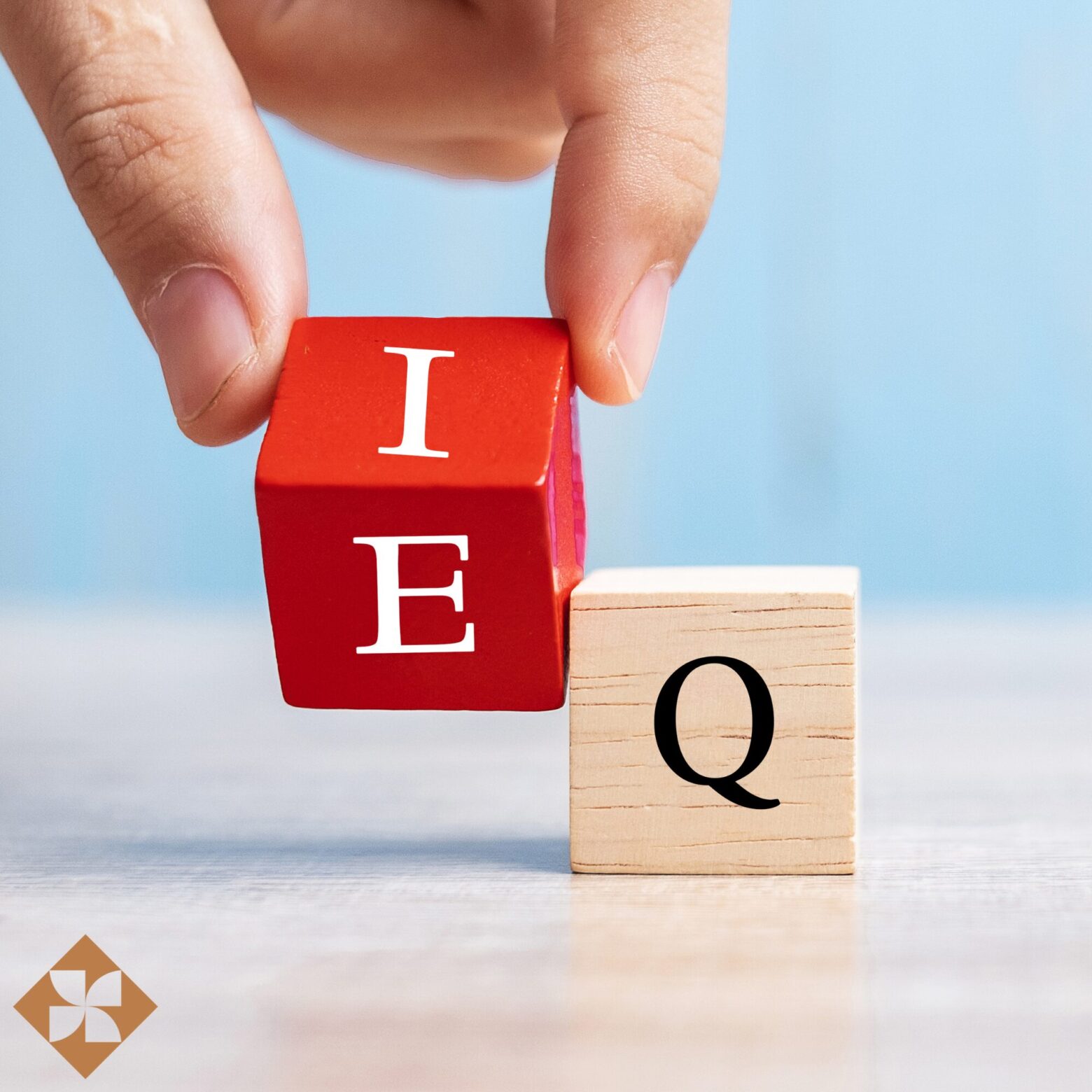
For decades, the gold standard in negotiation was to “separate the person from the problem.” This idea, popularised by Roger Fisher and William Ury in Getting to Yes, suggested that detaching emotions from a disagreement would create a clearer path to resolution. It was a call for pure objectivity, a strategy that has certainly seen its share of success.
However, in the world of high-stakes business negotiations, this approach is showing its limitations. What happens when the person is the problem? Or when their emotional response is the key to unlocking a deal? Modern research and practical experience point to a more powerful tool: Emotional Intelligence (EQ). For today’s business leaders, mastering EQ is not a soft skill; it’s a critical component of better negotiation strategies and effective business dispute management. It’s the difference between a fragile truce and a robust, lasting agreement.
The Flaw in the Old Logic
Helping parties in a dispute to set aside their personal feelings and focus dispassionately on the issues is often incredibly difficult. As professional mediators, we frequently see how the original disagreement gets lost in a storm of personal differences, especially when a conflict has been allowed to fester. This is a primary reason why advocating for the early resolution of conflict is a cornerstone of effective conflict management.
The theory of separating people from problems assumes that humans can operate like machines. It overlooks a fundamental truth: business is built on relationships. Removing personality and emotion from an interaction doesn’t help us understand, empathise with, or trust the people across the table. In fact, ignoring emotions can pour fuel on the fire, damaging relationships and making a sustainable agreement impossible. This is where EQ becomes a game-changer.
What is Emotional Intelligence in Negotiation?
Emotional Intelligence in a negotiation context isn’t about being overly sentimental or avoiding tough conversations. It’s a strategic toolkit that allows you to:
- Recognise: Identify your own emotions and those of others during a negotiation. Are you feeling defensive? Is the other party anxious or frustrated?
- Understand: Pinpoint why an emotion has surfaced. If a client is angry about a proposed clause, is it about the money, or a perceived lack of respect?
- Manage: Control your emotional responses and constructively influence those of others. This means knowing when to use emotion to emphasise a point and when to keep it in check.
- Regulate: Actively de-escalate tension by acknowledging another person’s feelings. Simply pausing to say, “I can see this is frustrating for you, let’s try to understand what’s causing it,” can transform the dynamic.
Utilising EQ moves the process beyond a simple transaction. It fosters a deeper connection, building a foundation of trust that is essential for resolving complex issues. This approach is central to modern dispute resolution methods, including commercial mediation and other forms of commercial ADR (Alternative Dispute Resolution).
The Tangible Benefits of EQ in Business Negotiations
Adopting an EQ-led approach provides a distinct competitive advantage. Leaders and negotiators who cultivate Emotional Intelligence are better equipped to navigate the complexities of business dispute management and secure superior outcomes.
Build Genuine Trust
Trust is the currency of negotiation. By respecting the individual experiences, emotions, and even the cultural identity of the other party, you demonstrate that you see them as a partner, not an adversary. This respect is the bedrock of trust, making the other side more willing to engage openly and honestly.
Defuse Destructive Tension
Conflict is often driven by underlying feelings of fear, loss, or injustice. A negotiator with high EQ can acknowledge these feelings without necessarily validating them as fact. Acknowledging that someone feels unheard can instantly lower their defences, creating space for a more productive conversation and paving the way for the early resolution of conflict.
Foster Creative Solutions
When parties are locked in rigid positions, progress is impossible. EQ helps you move beyond “what I want” to understand “why I want it.” By uncovering the personal needs and interests driving each side’s position, you can brainstorm creative, mutually beneficial solutions that a purely objective approach would have missed.
Strengthen Resilience and Influence
Negotiations can be high-pressure environments. EQ helps you maintain composure and clarity when faced with hostility or pressure tactics. This resilience not only prevents you from making reactive, poor decisions but also projects an image of strength and control, subtly influencing the other party to adopt a more measured tone.
From Theory to Practice: Applying EQ at the Bargaining Table
Integrating EQ into your negotiation toolkit is a practical and learnable skill. It marks a shift from confrontational tactics to collaborative problem-solving, a hallmark of better negotiation strategies.
The key lies in sustainability. A deal signed under duress or with lingering resentment is unlikely to last. The long-term success of any agreement depends on the parties’ ability to work together to uphold it. Emotional Intelligence is what builds the relational capital needed for that longevity. It’s the ability to acknowledge past differences, respect what drives each other, and build confidence where there was once mistrust.
For any business leader serious about achieving outstanding results, investing in conflict management skills like Emotional Intelligence training is essential. Fostering cross-party sensitivity and embedding practices like active listening are no longer optional extras. They are indispensable tools for bridging divides, building stronger commercial relationships, and ultimately, securing the best possible outcomes in any negotiation.
Need help with your business negotiations, conflicts or disputes? Speak to Madeleine or the Integrity Conflict Solutions team for an informal and confidential chat about how we can help.

